Oracy and Voice 21
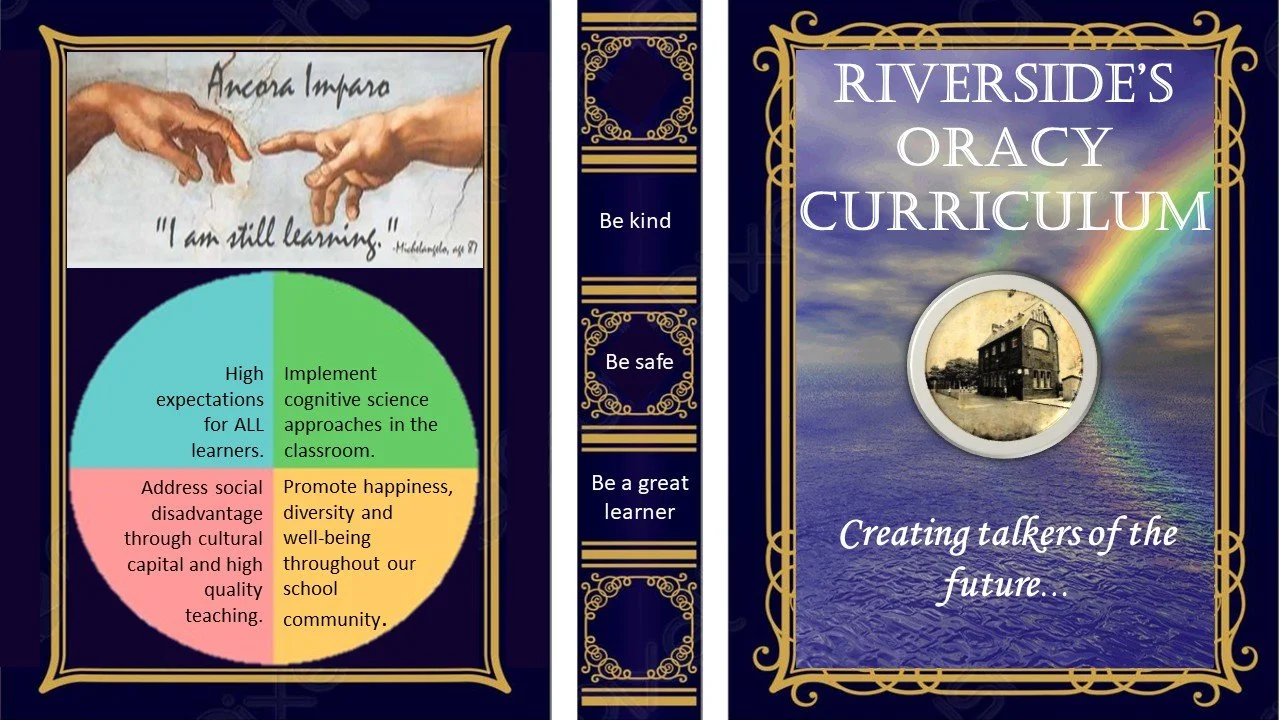
Oracy is at the heart of our curriculum and how children learn at Riverside.
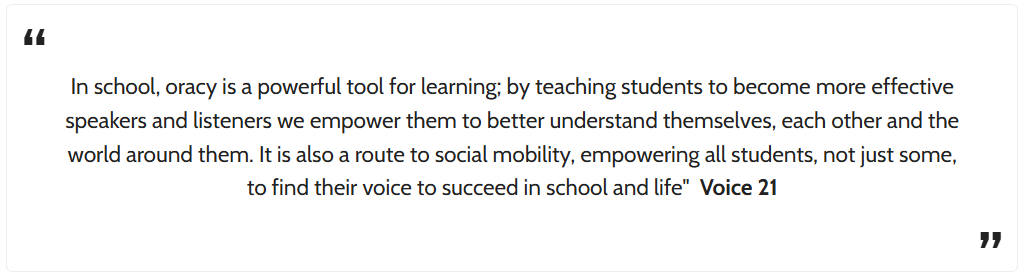
Evidence shows us that when children develop their oracy skills they become more engaged with learning and develop the tools, knowledge and confidence to flourish personally and academically.
Oracy is the ability to articulate ideas, develop understanding and engage with others through spoken language.
Riverside’s commitment to creating a curriculum which promotes a love of language and literature ensures that our children will have the opportunity to, ’develop culturally, emotionally, intellectually, socially and spiritually’ (National Curriculum).
The development of vocabulary is at the heart of our curriculum and we provide vocabulary rich opportunities through school trips and first- hand experiences which bring learning to life and make it meaningful and memorable for the pupils.
Our strong links with Liverpool Hope University have led to aspirational visits for both staff and children who have led seminars and lectures for the teachers of the future sharing our learning about our creative curriculum
Here’s our Voice 21 journey so far…
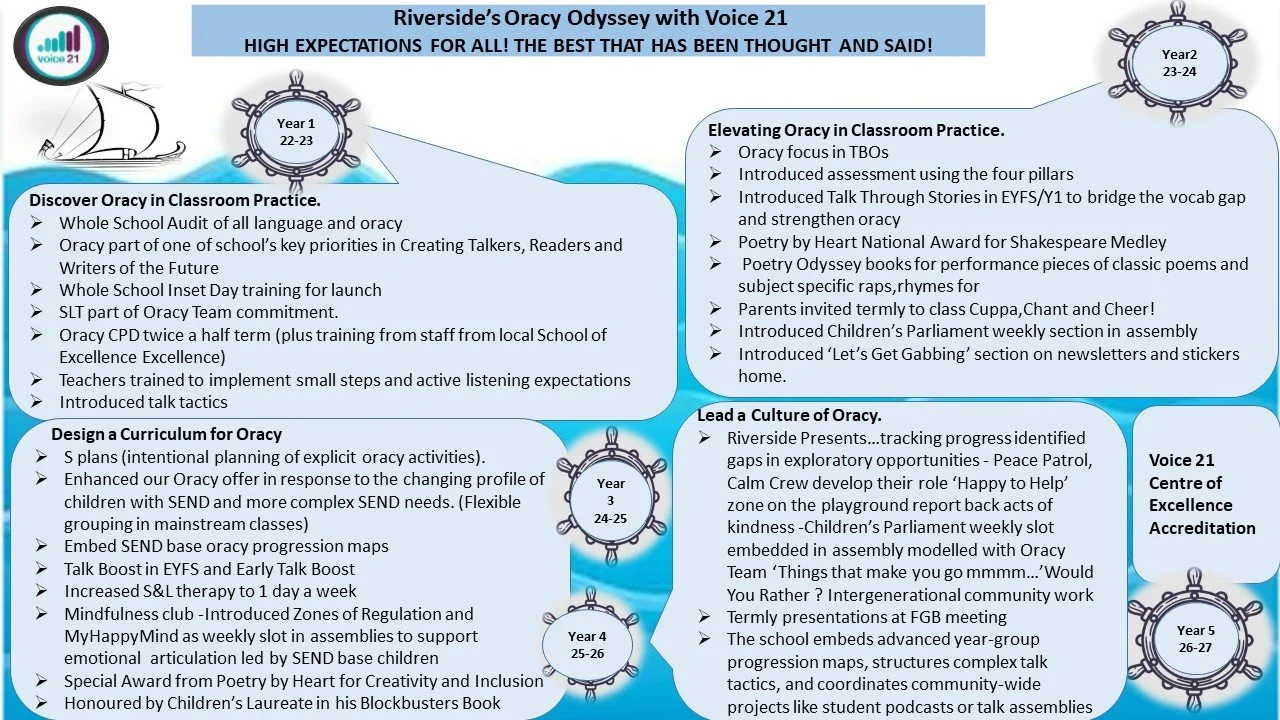
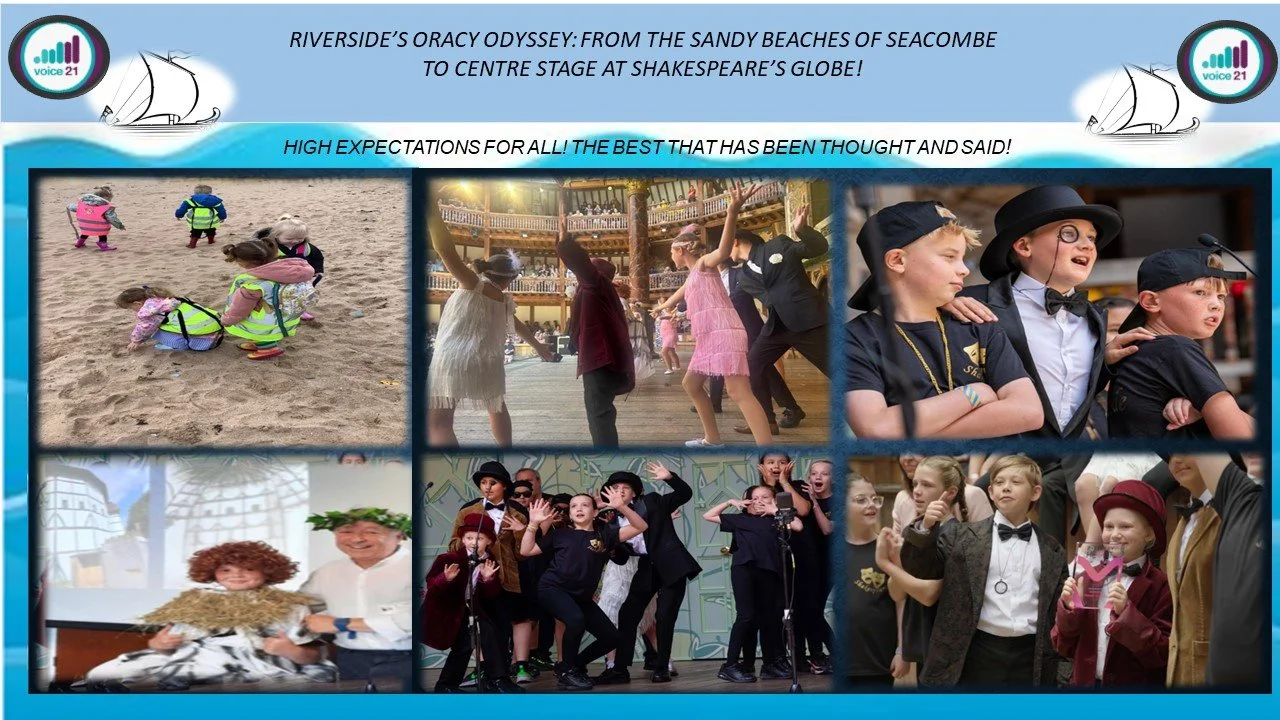
RIVERSIDE’S ORACY ODYSSEY!
’WE ARE THE BLOCKBUSTERS! BIGGER, BOLDER, MORE AMBITIOUS…
FIZZING WITH RIVERSIDENESS!’
Frank Cottrell Boyce/ Poetry by Heart Judges
How did a little school in Seacombe on the banks of the River Mersey become the inspiration for the Children Laureate’s latest book and end up receiving an international award for creativity at Shakespeare’s Globe? Our Oracy Odyssey has with Voice 21, Poetry by Heart and friends has been quite the adventure!
Here’s what the Poetry by Heart judges had to say…
‘Our final special award is presented to Riverside based in Wirral, Merseyside
At Poetry by Heart we like to think that we have most options covered when it comes to creative approaches to poetry. Riverside Primary School are winning this special award because year on year they teach us in the most delightful ways that we haven’t!
From their Shakespeare Medley to their Benjamin Zephaniah tribute from Year 3 to Year 6 and their staff as well each year they completely push the boundaries in terms of creative approaches to poetry.
And over the last few years of the competition we’ve seen this get bigger and bolder and more ambitious.
We say that freestyle can be whatever you want it to be and that we like it when you surprise us and Riverside have not just run but galloped with it.
However what really makes Riverside stand out is how they use their voices to celebrate the richness and joy of their community and their culture.
Be that through poetry or song or performance, their staff are tireless in championing this.
As a result you can’t watch a Riverside performance without knowing that you are watching a Riverside performance: it simply fizzes with Riverside-ness!
So we wanted to bring that to you here so that you can join us in appreciating that there’s no place quite like Riverside!
Please welcome them on stage…’
A few words from the Children’s Laureate …
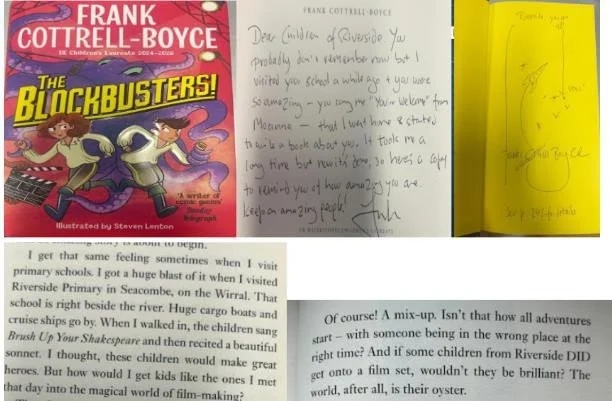
Above are excerpts from Frank Cottrell Boyce’s latest book -
The Blockbusters!
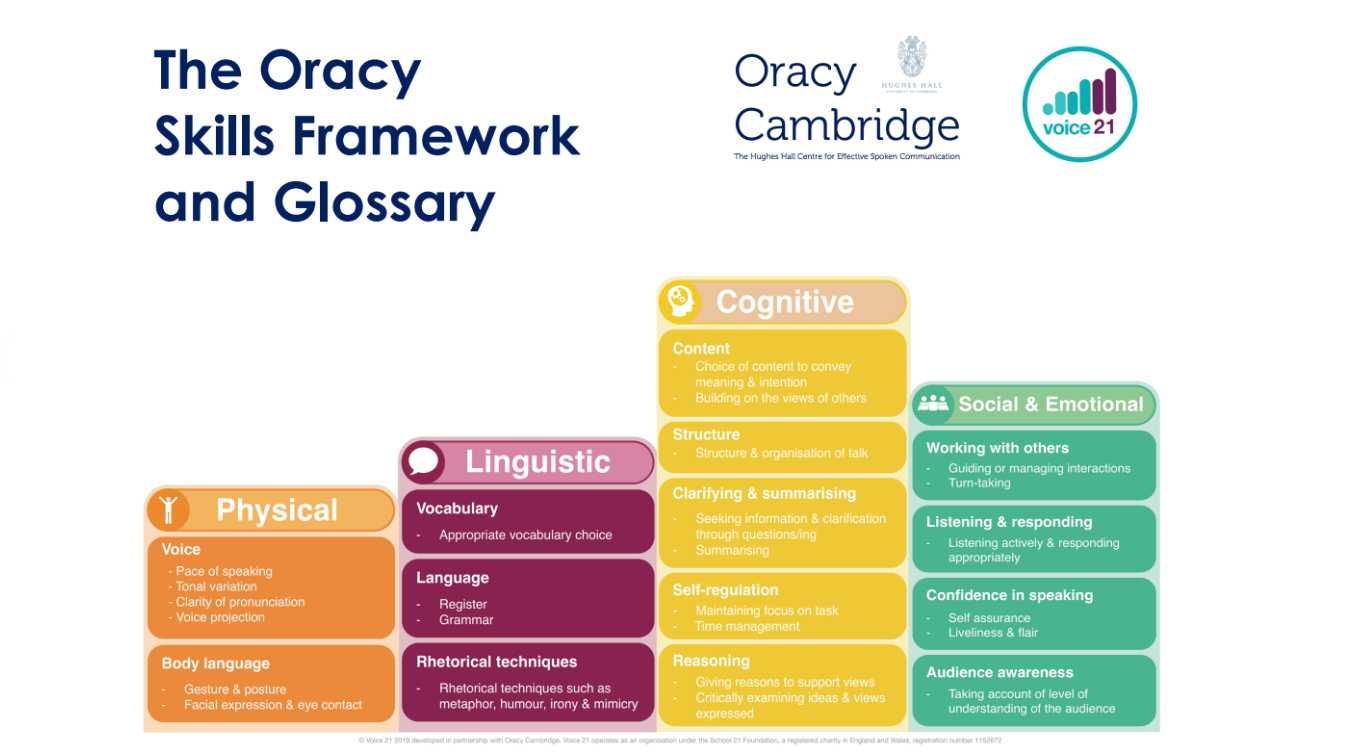
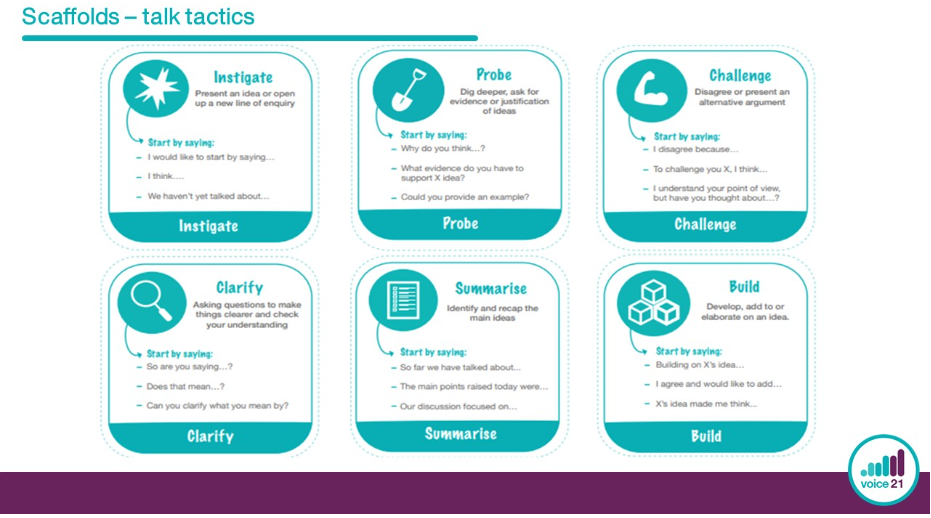
By explicitly teaching pupils to Instigate, Build and Challenge, we help them become confident communicators who:
listen actively to others
contribute thoughtfully to discussions
justify their thinking with reasons and evidence
respectfully question and evaluate ideas
collaborate effectively to deepen learning.
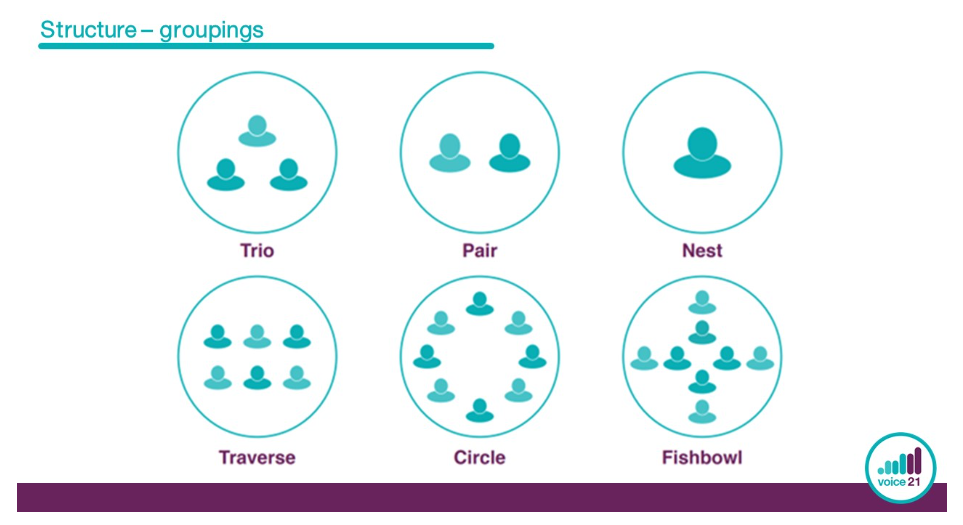
At Riverside we have developed clear programs of agreed talking tips and talk tactics to help children practise and master their oracy skills. They will use these in all lessons from P.E to mathematics. These make oracy a norm and develop an emotionally safe culture for all children to participate.
These talk tactics support high quality discussion across the curriculum, enabling pupils to use talk not only to express ideas but also to think more deeply, solve problems and learn from one another.
Developing Deeper Talk
As children become more confident speakers and listeners, they are taught additional talk tactics to help them think more deeply and engage in high-quality discussion.
Probe - ask follow up questions to explore ideas in more detail and deepend understanding.
Challenge - question ideas respectfully, using reasoning and evidence to support or reconsider viewpoints.
Clarify - Check understanding by asking for or giving clearer explanations.
Summarise - bring ideas together concisely to show key points and understanding of a discussion.
These strategies help children move beyond surface-level talk towards more thoughtful, reflective and purposeful discussion. By using probing and clarifying questions, children learn to extend thinking and resolve misunderstanings. By summarising, they learn to organise idead and demonstate their understanding clearly.
Together, these talk tactics support children to become confident communicators who can think critically, listen actively and collaborate effectively across all areas of the curriculum.
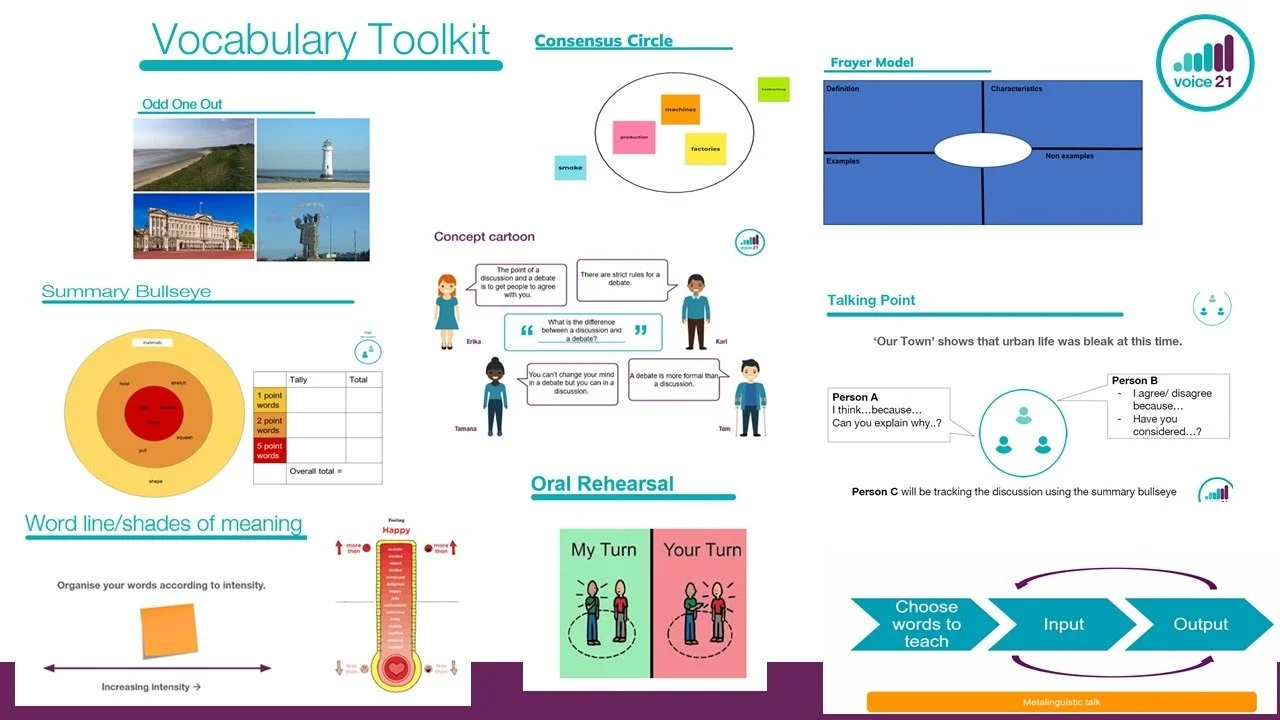
Children think metacognitively about that vocabulary using the range of techniques illustrated below.
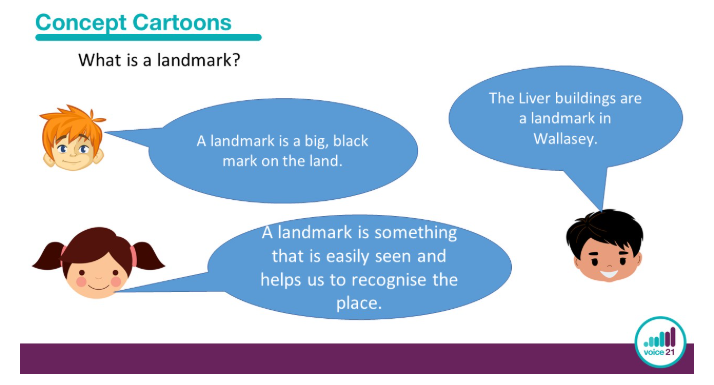
Concept cartoons below illustrate and example how we develop the use of specific vocabulary.
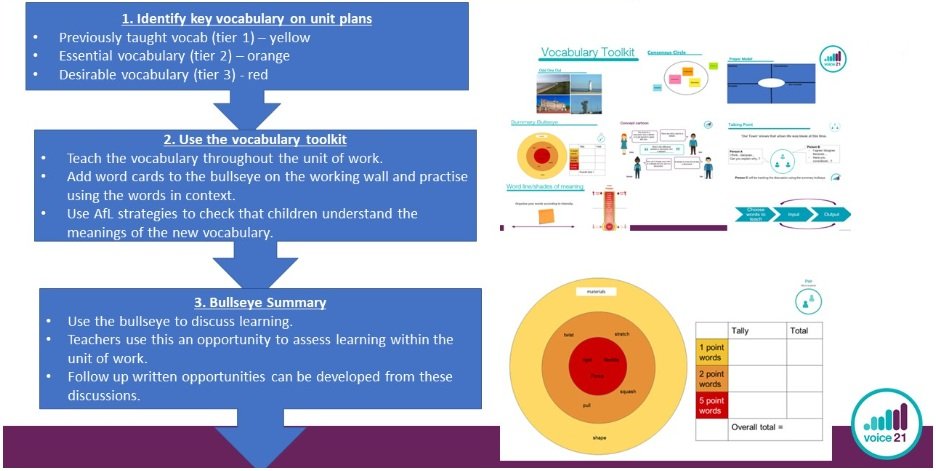
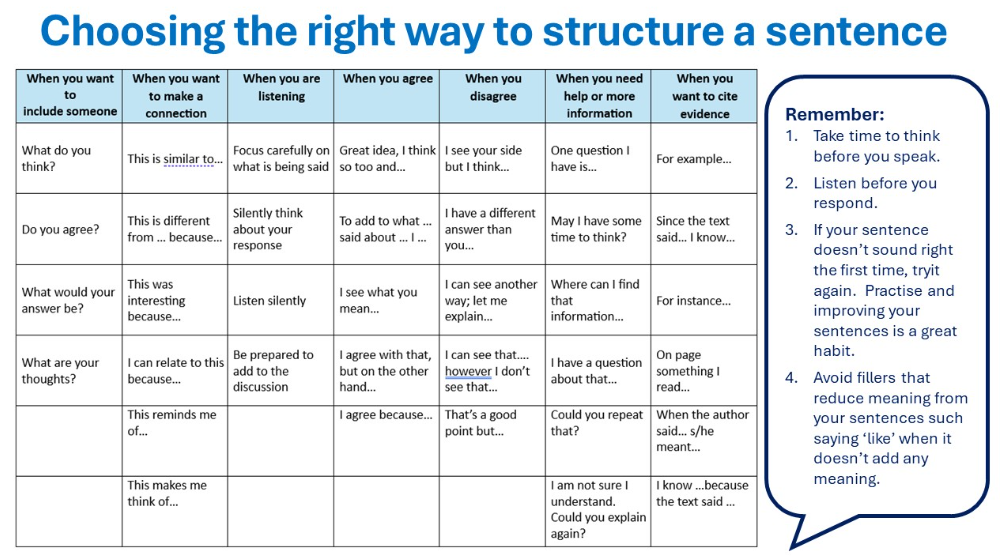
Children are then taught age appropriate sentence structures and starters (sentence stems) to apply their vocabulary and think deeply about their language choices, explanations and questions.
We encourage them to try different structures and practise their sentences again if they feel they can be improved.